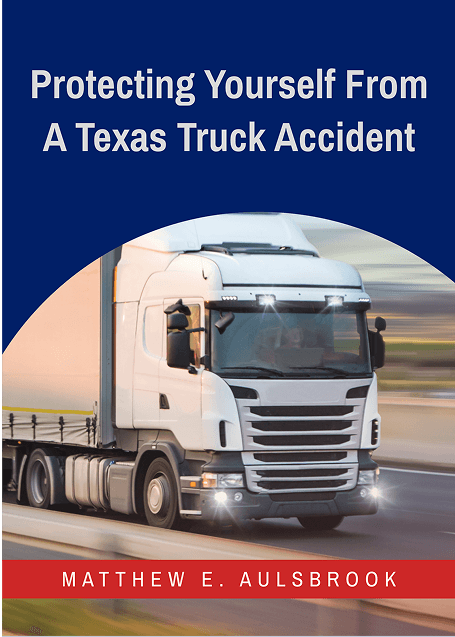



Under 23 U.S. Code 127, Vehicle Weight Limitations, the maximum weight of a truck is 80,000 pounds. To put that into perspective, most cars are 3,500 pounds, and most trucks are 5,000 pounds. Big rigs are much, much larger than the average vehicle on the roadway. Most of the truck stops have public scales, and they charge a small fee to give an accurate weight of the cargo.
The truck industry in the United States is built on the premise that a tractor–trailer should haul as much as possible as quickly as possible in order to maximize the profit on each trip. Although there are federal and state restrictions on how much cargo can be loaded into the trailer, there are always truckers and trucking companies that are willing to push the limits of these regulations.
If you were injured in a truck collision that was overloaded or overweight, contact an experienced truck crash lawyer today. An overloaded truck accident lawyer in Fort Worth, TX, could help you recover compensation.
Penalties for Driving with an Overloaded/Overweight Truck
A truck driver may operate a vehicle above weight limits to make more money. The more they haul or the quicker they haul, the more money they make because they get paid per mile for the products. This practice is hazardous, and they face penalties if they are caught.
Vehicles found to be illegally overweight in Texas are presently fined from $100 to $150 for the first offense within one year of the first offense, $150 to $250 for the second offense within one year of the first offense, and $200 to $500 for the third offense, which is within one year of the second offense.
The second offense can also lead to imprisonment for up to 60 days, while the third offense can lead to imprisonment for up to six months. While the driver of an overloaded vehicle is charged with the offense, recent legislation, Article 701d-11 Section 5b, has made it possible to also prosecute the person responsible for overloading the vehicle.
Under What Circumstances Might a Truck Exceed Maximum Weight?
A truck may exceed a maximum weight if it has a permit. The federal regulations limit trucks to a maximum gross vehicle weight of 80,000 pounds, but states may grant permits to commercial vehicles for being oversized and overweight on the non-interstate highway.
For example, in Texas, cotton, which is not mailed, qualifies as an agricultural commodity under HB 1547. As such, these trucks transferring cotton are allowed to have a gross vehicle weight of 84,000 pounds. The trucking company must, however, purchase an over-axle, over gross-weight tolerance permit to take advantage of this exception.
A state may also issue an oversize, overweight permit for a non-divisible load to travel on a federally funded route that is interstate. In these cases, the state will route the vehicle along specific highways to minimize pavement and bridge consumption and to limit safety risks.
Fort Worth Overweight Truck Accident Lawyer Near Me (817) 775-5364
Risks of Driving with an Overloaded/Overweight Truck
Overweight or overloaded trucks pose serious risks to both the truck driver and other motorists. Excessive weight makes trucks harder to control and increases stopping distances, while also raising the risk of tire blowouts that can lead to a total loss of control. Perhaps the greatest danger is the higher likelihood of a rollover crash, as the extra weight shifts the truck’s center of gravity and makes it unstable.
Overweight trucks also contribute to the deterioration of roads and bridges, which adds to the challenges faced by the Department of Transportation and the Federal Highway Administration. When accidents involve these heavy trucks, they can result in car accidents or serious motor vehicle accidents with catastrophic injuries.
An overloaded truck accident attorney in Fort Worth understands the dangers of overweight vehicles and can help hold the negligent parties responsible.
Who Could Be Held Liable For a Truck Accident?
Truck wrecks are more complex than a car wreck between two passenger cars. Truck wrecks often result in serious damages and injuries. They are complicated because several parties could have played a role in causing the crash.
Numerous parties are involved with putting a commercial trucking service and maintaining it, and because of this, there could be multiple parties liable for the accident. This includes the driver, the company that leased the truck, the truck’s owner, the loader or owner of the vehicle shipment, or the manufacturer of the truck or the vehicle’s components.
Just because so many parties are involved in commercial trucking operation, it can be difficult for most people to determine which one is actually responsible. That is why it is so important to seek the counsel of an experienced truck wreck lawyer.
Turn to a Fort Worth Overloaded/Overweight Truck Accident Attorney Today
Liability for accidents involving overweight or overloaded trucks depends on the specific circumstances. Determining who is financially responsible is a legal matter, and there are no automatic rules for fault in a truck accident.
Responsibility depends on the totality of the situation, and sometimes third parties may also share liability. Even if one party is mostly at fault, others, including the injured party, may be partially responsible, which can complicate the case. Violations of FMCSA regulations by a truck driver or company can serve as evidence of fault.
A Fort Worth overweight/overloaded truck accident lawyer from The Texas Law Dog can review your case and help establish liability. Call today to protect your rights.